Blooming Leaves: A Leafy Dingbat Font
There I was, staring at a blank brand board, trying to find the right visual language for a new plant-based skincare line. The client wanted something fresh, organic, and grounded in nature—but not too literal. That’s when I reached for Blooming Leaves, a dingbat font that brings a touch of the wild into any design.
What Is Blooming Leaves?
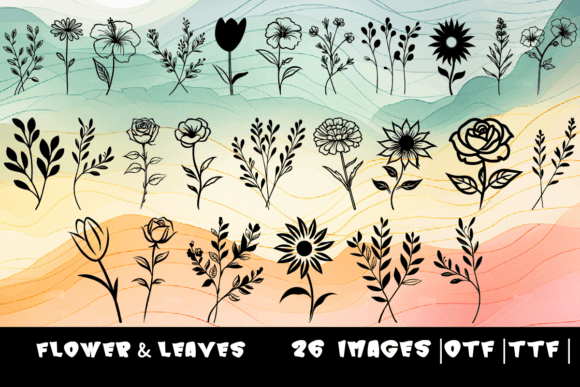
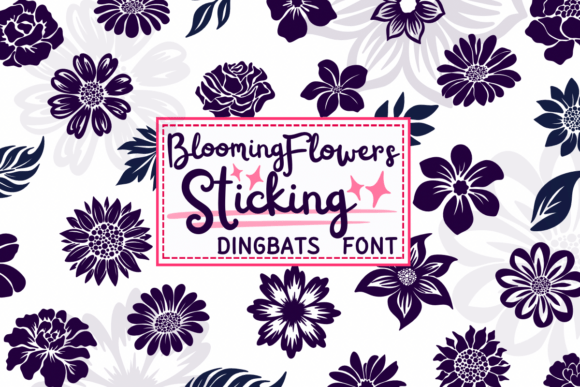
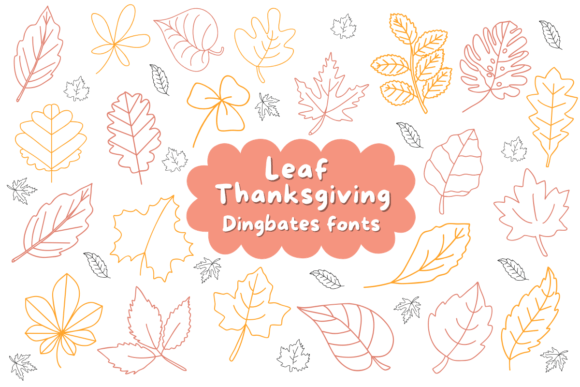
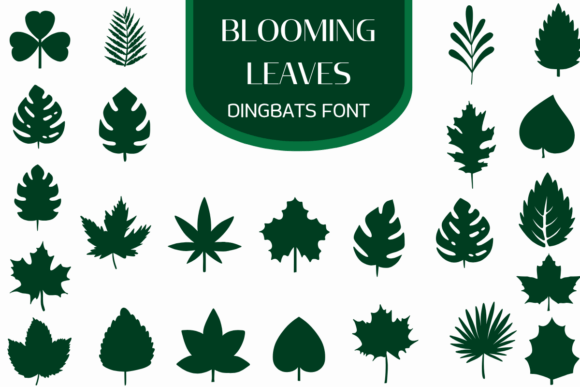
Blooming Leaves is a dingbat font that features an array of leaf silhouettes, from tropical monstera and palm fronds to classic maple and oak leaves. It’s not a traditional typeface with letters and numbers, but rather a collection of stylized botanical shapes that can be used as decorative elements or standalone graphics. The font feels handcrafted, with subtle variations in each leaf that add character and depth.
The visual personality of Blooming Leaves is soft, natural, and slightly whimsical. It evokes a sense of growth, renewal, and connection to the earth. This makes it ideal for brands in the wellness, eco-friendly, and lifestyle spaces—especially those looking to communicate authenticity without being overly literal.
Testing Blooming Leaves in Real Projects
I first tested Blooming Leaves on a logo concept for a boutique skincare brand. The goal was to create a symbol that felt both modern and rooted in nature. Using the leaf shapes as a central element, I paired them with a clean sans serif typeface for balance. The result was a logo that felt alive, with the leaves adding a sense of movement and vitality.
On a packaging mockup for a herbal tea line, Blooming Leaves worked well as a background pattern. The leaves were subtle enough not to overwhelm the product name but still added a visual signature that made the packaging feel cohesive. When placed on a business card, the font stood out without being distracting, making it a great choice for a small but meaningful detail.
In web design, I used Blooming Leaves as a hero section accent. On a homepage for a local café, the leaves were scattered across the header, giving the site a fresh, inviting feel. They complemented the overall aesthetic without competing with the main text.
When to Use Blooming Leaves
Blooming Leaves excels as a display or accent font. It’s not meant for long paragraphs of body text, but rather as a way to add visual interest and reinforce a brand’s natural theme. It works best in headlines, logos, social media graphics, and editorial layouts where a touch of organic flair is needed.
Pairing it with a serif or sans serif font often gives the best results. A bold serif can provide contrast and structure, while a clean sans serif keeps things modern and readable. I found that pairing it with a handwritten script font also created a nice balance, blending the organic and the elegant.
For projects that require high readability, such as product labels or signage, Blooming Leaves may need to be used more sparingly. In smaller sizes, the details can become less distinct, so it’s important to test how it looks in different contexts before finalizing a design.
Practical Tips for Using Blooming Leaves
If you’re considering using Blooming Leaves in a project, start by testing it in a few different scenarios. Try it on a logo draft, a packaging mockup, and a social media graphic. Pay attention to how the leaves interact with other design elements and whether they enhance or distract from the overall message.
Also, check the font’s licensing terms before using it in client work. Make sure it allows for commercial use and that you have the right to embed it in digital assets like websites or social media templates.
Finally, consider the file formats available. If you’re working with a design team, ensure that everyone has access to the correct version of the font. Webfont availability can also be a factor if you’re planning to use it on a website.
Final Thoughts on Blooming Leaves
Blooming Leaves is a unique and versatile dingbat font that adds a natural, artistic touch to any design. Its leaf silhouettes are beautifully detailed and offer a range of creative possibilities. While it’s not a substitute for traditional typography, it can be a powerful tool for reinforcing a brand’s identity and visual storytelling.
Whether you're designing a logo, a packaging system, or a social media campaign, Blooming Leaves can bring a fresh, organic energy to your work. Just remember to use it thoughtfully, and always test it in real-world applications before finalizing your designs.